

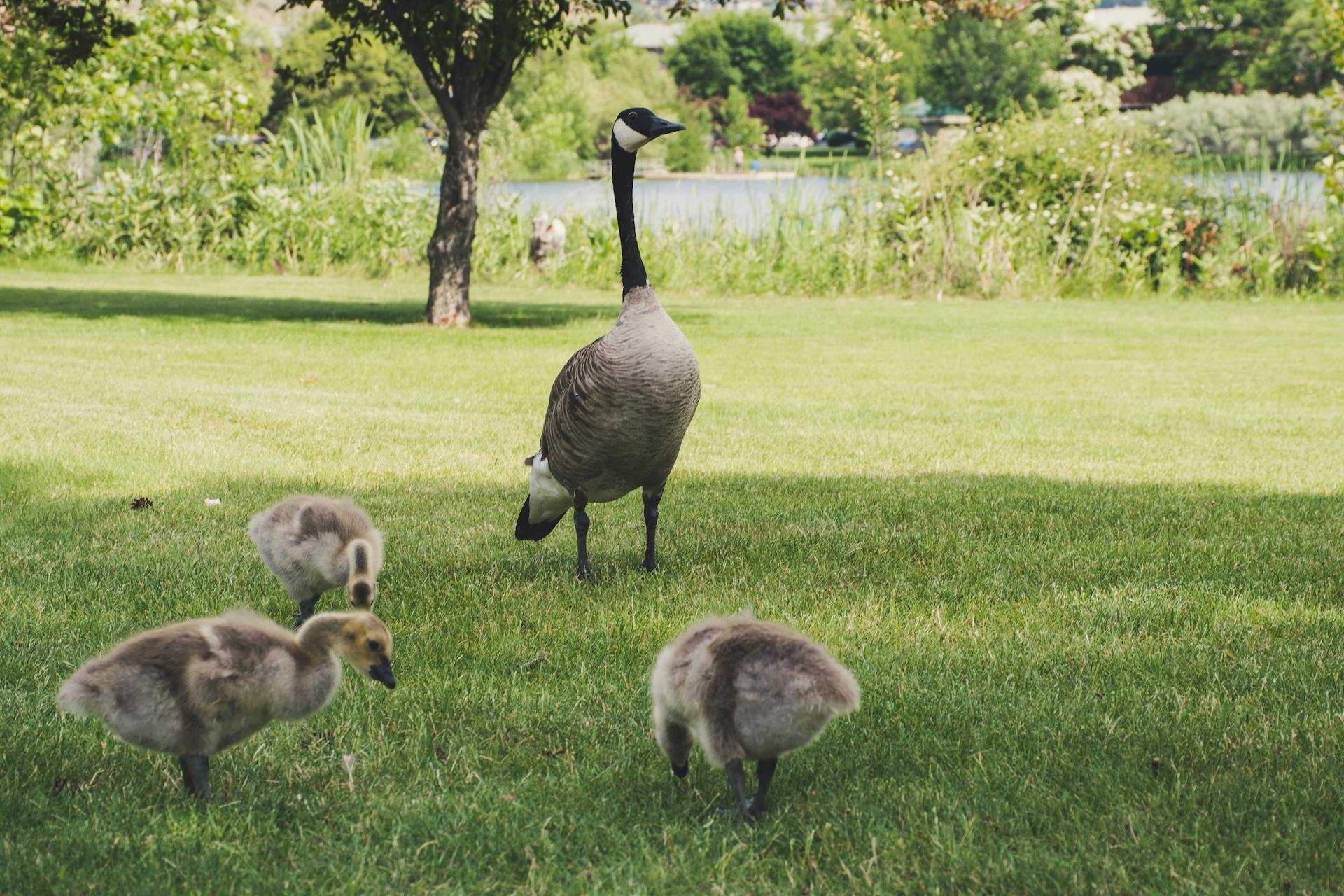
A peaceful backyard can quickly become a nuisance zone when geese take over, leaving behind droppings, damaging grass, and creating noise. Taking control early is key to preventing long-term problems, and there are humane, effective strategies that can help you reclaim your lawn. Visual deterrents, strategic landscaping, and motion-activated devices can all play a role in discouraging these persistent visitors. Learning how to keep geese from invading your yard can guide you in choosing the right tools and techniques that work best for your space. With a focused plan, you can restore your backyard to a clean, welcoming retreat.
Make Your Lawn Less Inviting
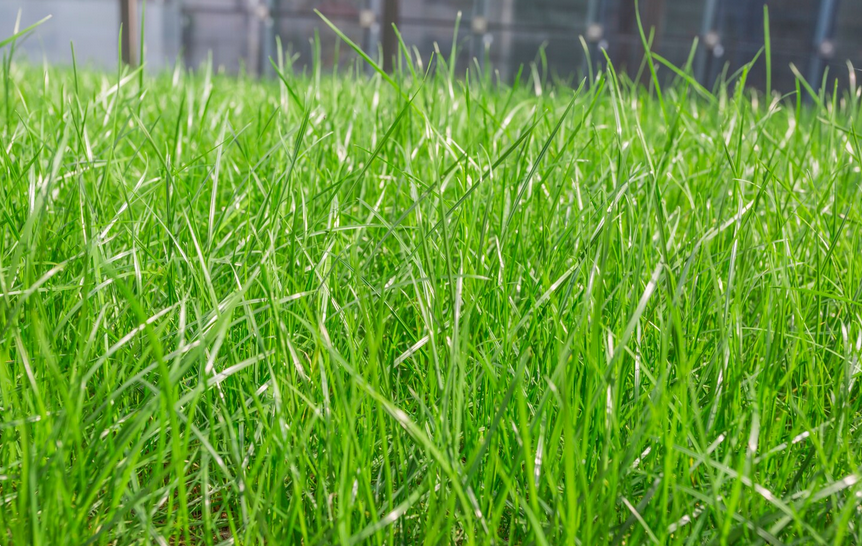 Geese are attracted to large, open, and regularly mowed lawns because they offer visibility and easy access to food. To deter them, modify your yard’s appeal. Let your grass grow a little taller in certain areas or plant low shrubs and ornamental grasses along property edges. These changes reduce sightlines and create obstacles, which geese instinctively avoid. Adding natural barriers near ponds or open fields can also break up their line of approach, making your property less appealing as a landing zone.
Install Visual and Motion-Based Deterrents
Geese are wary of sudden movement and unfamiliar objects. Use deterrents like motion-activated sprinklers to startle them with quick bursts of water when they approach. Reflective tape, spinning pinwheels, or wind chimes can also scare them away by creating unpredictable motion and flashing light. Predator decoys—like coyotes, foxes, or alligator models—can be placed strategically around the lawn or near water. For best results, rotate or move these deterrents every few days so the geese don’t get used to them.
Use Safe Ground Treatments
Applying non-toxic repellents can make your lawn unappetizing for geese without damaging your grass. These sprays usually contain ingredients like methyl anthranilate (derived from grapes), which irritate a goose’s sense of taste and smell. The repellent is safe for children, pets, and other wildlife, and can be reapplied after rainfall or mowing. Consistent use over a few weeks often leads to a noticeable drop in goose activity.
Block Access to Water and Nesting Sites
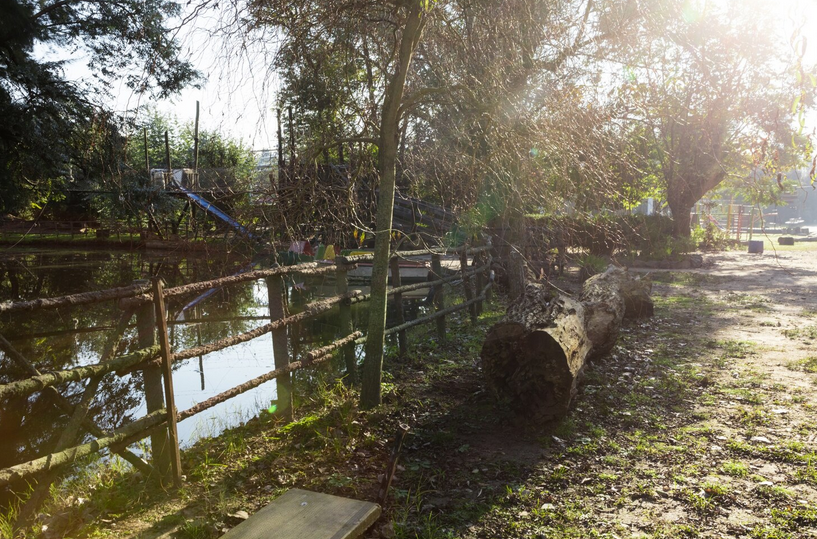
If your yard includes a pond or borders a body of water, geese will likely return unless access is limited. Use low fencing, tall grasses, or natural buffers like reeds to block easy entry. Geese prefer direct, unobstructed paths between land and water, so removing this access is a highly effective long-term tactic. Also, inspect your property for hidden nesting spots under decks, bushes, or sheds, and remove any signs of nesting (if legal in your area and not currently in use).
Stay Consistent and Combine Methods
Geese are persistent and can adapt to single deterrents over time. To reclaim your lawn fully, you’ll need to combine several strategies and maintain them consistently. Use visual and sound deterrents alongside repellents and habitat modification. The more uncomfortable and unpredictable your lawn feels to them, the less likely they are to return. Regular lawn checks and prompt cleanup of droppings can also reduce the likelihood of repeated visits.
Reclaiming your lawn from geese doesn’t require harsh methods—just smart, steady effort. By making your yard less inviting, installing motion and visual deterrents, and using safe repellents, you can protect your green space while staying in line with wildlife regulations. With time and consistency, your backyard can become a clean, peaceful haven again, free from the chaos of uninvited feathered guests.