

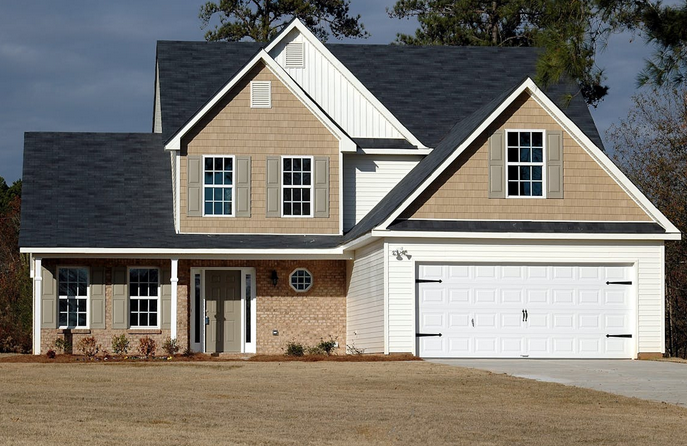
The homes people want today are very different from the homes people wanted a few decades ago. A house is no longer simply a place with separate rooms for specific activities. Instead, it has become a space that needs to support work, relaxation, family time, hobbies, and personal comfort all at once. As lifestyles continue to change, future homes will need to become more responsive. Homeowners are looking for properties that can adjust to different situations rather than remain limited by traditional layouts. The next generation of residential design will focus on creating spaces that are flexible, efficient, and ready for whatever life brings.
Different Owners Mean Different Rooms
The idea of a permanent room purpose is slowly disappearing. A bedroom may become a creative space, a quiet retreat, or a guest area depending on the homeowner’s needs. This changing approach to residential design reflects a desire for homes that provide more value from every square meter. Articles found on ok-magazin.de show how expectations around family homes are moving toward adaptable spaces, connected living areas, and features that support different lifestyles. Future homes will likely be designed with change in mind from the beginning rather than requiring major adjustments later.
Flexible Rooms Will Become a Standard Feature
Future homes will place greater importance on rooms that can serve multiple purposes. Instead of designing spaces that only work for one activity, architects and homeowners are exploring ways to create areas that can easily transform. A flexible room could function as a study area during the week, a hobby space on weekends, or an extra bedroom when visitors arrive. This type of design allows homeowners to make better use of their property while avoiding unnecessary renovations as their needs evolve.
Personalization Will Shape the Homes of Tomorrow
Future residential design will focus more on creating homes that reflect individual lifestyles. People increasingly want spaces that feel unique to their routines, preferences, and priorities. Personalized layouts, adjustable lighting, smart storage solutions, and customizable living areas will become more common. Rather than following a one-size-fits-all approach, future homes will give homeowners more control over how their spaces function.
Technology Will Make Homes More Responsive
Technology will continue to influence how people interact with their homes. Smart systems are expected to become more advanced, allowing homes to respond automatically to daily habits and preferences. Future homes may include intelligent energy management, automated climate control, improved security systems, and connected appliances. These features will help create more convenient living environments while improving efficiency and reducing unnecessary energy use.
Sustainability Will Be Central to Future Housing
Environmental concerns are changing the way homes are designed and built. Future properties will likely focus more on energy efficiency, sustainable materials, and designs that reduce environmental impact. Features such as renewable energy solutions, better insulation, and natural ventilation will become increasingly important. Sustainable home design will not only benefit the environment but also help homeowners create healthier and more cost-effective living spaces.
The Connection Between Indoor and Outdoor Spaces Will Grow
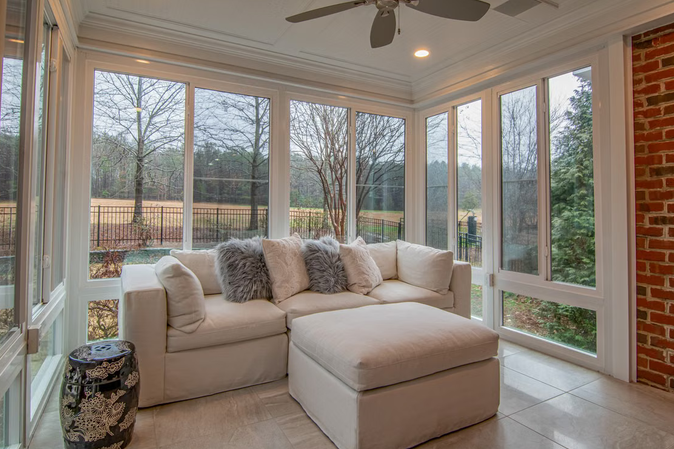
Future homes are expected to create stronger connections between indoor and outdoor areas. Gardens, balconies, terraces, and outdoor rooms will become important extensions of the main living space. This approach allows homeowners to enjoy more flexible areas for relaxation, entertainment, and everyday activities. As people place greater value on well-being and time spent outdoors, these spaces will become a key part of future residential design.
Homes Will Support Different Stages of Life
A future home will need to serve people through many stages of life. Whether accommodating a growing family, changing hobbies, or evolving personal needs, adaptable design will become increasingly valuable. Features such as accessible layouts, flexible rooms, and practical shared spaces will help properties remain useful for longer periods. Instead of moving whenever circumstances change, homeowners may prefer spaces that can grow and adjust with them.
The future of homes will be shaped by flexibility, technology, and …