Open-concept living has become a hallmark of modern home design, offering expansive areas where kitchens, living rooms, and dining spaces flow seamlessly into one another. While this layout can create a sense of openness and connectivity, it comes with design challenges. Homeowners who do not plan carefully may face issues such as poor traffic flow, lack of privacy, or unintended noise disturbances. Anyone interested in building or renovating with this style should study expert guidance to avoid costly missteps. For that, deutsche startups offers detailed advice from construction professionals on practical solutions for modern living spaces.
Ignoring Proper Space Zoning
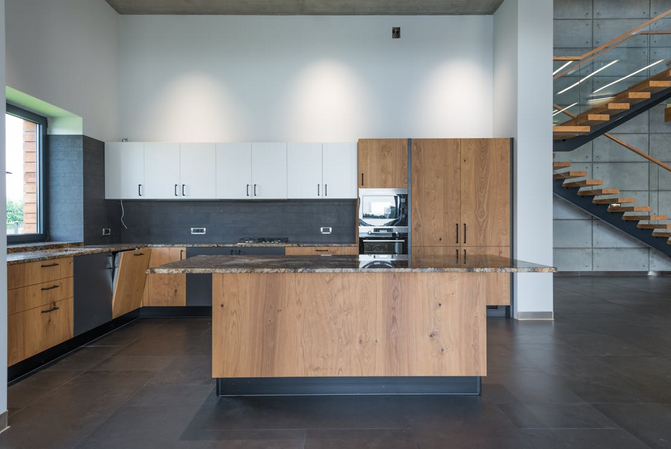
A major mistake in open-concept designs is the lack of defined zones. Without careful planning, a large open area can feel chaotic, with furniture arrangements competing for attention and function. Zoning creates natural separation between functional areas, such as using an island to delineate the kitchen from the living area or rugs to divide spaces visually. Overlooking zoning can lead to rooms that feel neither cozy nor practical, diminishing the comfort that open-concept living is meant to provide.
Underestimating Noise Management

Sound travels freely in open-concept layouts, which can result in an overwhelming level of noise. Conversations in the kitchen, television sounds, and even appliances can disrupt other areas of the home. Many homeowners fail to consider acoustic treatments or thoughtful placement of soft furnishings. Incorporating materials such as carpets, upholstered furniture, or sound-absorbing panels can reduce noise transmission, creating a more balanced environment. Ignoring this aspect often leads to a less inviting and stressful home.
Overlooking Lighting Needs
Lighting is another critical element often mishandled in open-concept planning. Large, open spaces can appear dim or unevenly lit if natural and artificial lighting is not properly coordinated. A common error is installing a single overhead fixture that darkens certain areas while overexposing others. Layered lighting—including task lights in the kitchen, ambient lighting in the living area, and accent lighting near reading corners—ensures all areas function well while maintaining aesthetic appeal. Failing to plan lighting can compromise the functionality and mood of the entire space.
Choosing Inappropriate Flooring
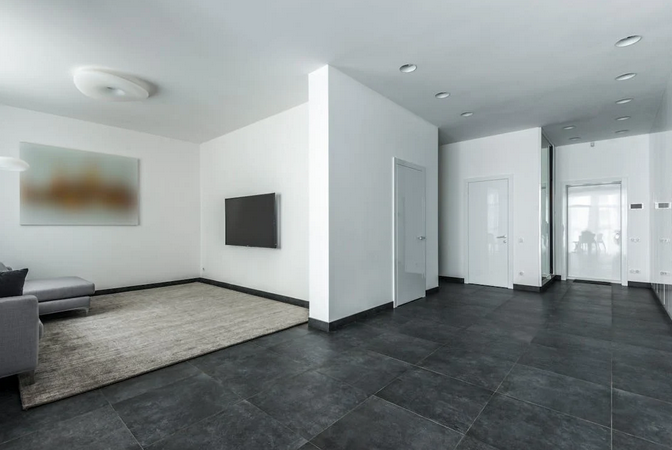
Flooring continuity is essential in open-concept spaces, yet some homeowners select materials that clash or impede movement. Abrupt transitions between different flooring types can disrupt the visual flow and create tripping hazards. Additionally, some materials may not perform well in high-traffic areas, hence wear and tear that is more noticeable due to the openness. Selecting consistent, durable flooring that complements the overall design avoids both practical and visual pitfalls.
Neglecting Storage Solutions
Open-concept homes often have fewer walls, reducing traditional storage options like closets or built-in cabinetry. Many homeowners underestimate how much storage they will need, resulting in clutter that disrupts the clean, open aesthetic. Creative storage solutions—such as multi-functional furniture, built-in shelving, or hidden cabinets—can maintain openness while organizing the space. Without adequate planning, the intended elegance of an open-concept layout is quickly compromised.
Open-concept living offers modern appeal and functional flow, but the design can fall short without careful planning. The top mistakes to avoid include neglecting proper space zoning, underestimating noise management, overlooking lighting needs, choosing inappropriate flooring, and failing to incorporate adequate storage solutions. Addressing such factors during planning and design phase helps homeowners create spaces that are visually appealing and also practical for everyday life. Thoughtful consideration of these pitfalls allows for an open-concept home that balances openness with comfort, functionality, and long-term satisfaction.…